





Comment trouver les meilleurs fabricants de mini-caméras en Chine : 5 fournisseurs leaders et guide pour l'acheteur
Publier:
2025-10-15 15:35
Source:
https://www.ring-see.com
Un guide détaillé pour localiser et évaluer les fabricants de mini-caméras en Chine. Découvrez 5 fournisseurs chinois leaders, des conseils pour vous approvisionner, ainsi que des stratégies permettant de vérifier la qualité et la fiabilité.
In an age where surveillance, IoT, security, and wearable imaging devices are booming, mini cameras have become a hot component. If you're a buyer, brand owner, or importer looking to source from China, knowing how to identify trustworthy manufacturers is critical. In this article, we’ll introduce five notable Chinese mini-camera / imaging firms, but more importantly, walk you through the steps and best practices to find and vet your ideal supplier.
Why Source Mini Cameras from China?
China remains a global hub for electronics manufacturing thanks to:
Scale & supply chain maturity — China has well-developed upstream component networks (optics, sensors, PCBs, casing).
Competitive costs — Despite rising labor and compliance costs, China often remains cost-competitive compared to new regions.
Specialization — Certain regions and factories specialize in cameras, modules, or surveillance electronics.
Export experience & compliance — Many Chinese manufacturers already export globally and maintain certifications (CE, FCC, RoHS) for overseas markets.
That said, risks remain: quality inconsistency, intellectual property (IP) protection concerns, communication gaps, and regulatory or import issues. A structured sourcing method helps mitigate these.
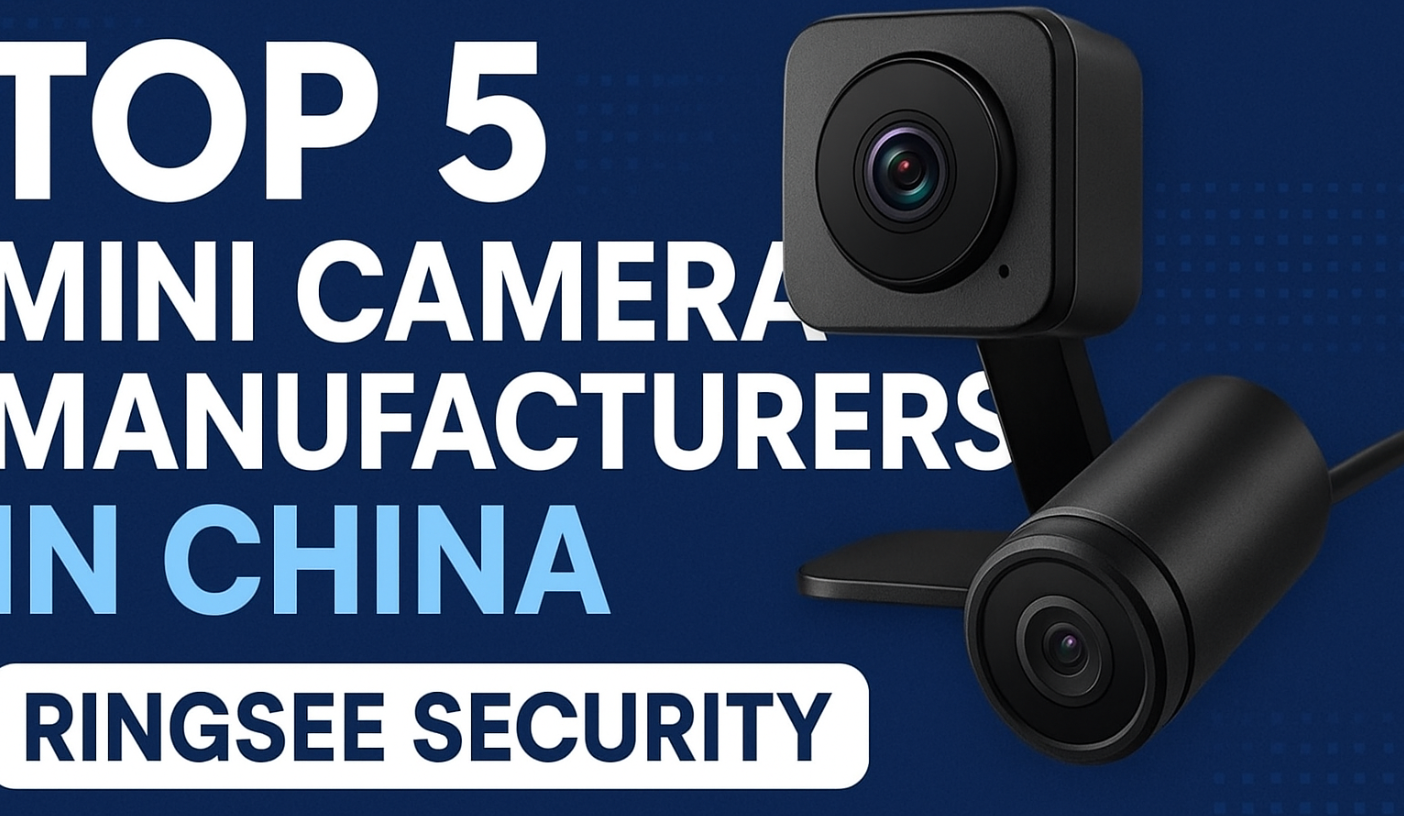
5 Chinese Mini Camera / Imaging Suppliers to Know
Below are five companies (or brands) in China that are active in the mini camera, security camera, or imaging space. They illustrate the range from large-scale to niche specialists. Use them as reference benchmarks rather than direct guarantees.
Hikvision (Hangzhou Hikvision Digital Technology Co., Ltd.)
One of the largest global surveillance camera firms based in Hangzhou, with broad product lines (IP cameras, network systems, modules).
Why relevant: Their scale and R&D investment set a lofty benchmark for what large, vertically integrated OEMs can offer.
Dahua Technology
A major peer of Hikvision, Dahua offers IP, analog, thermal, and smart camera solutions.
Why relevant: Massive production capacity, global distribution, strong after-sales structure.
Uniview Technologies (Zhejiang Uniview)
Focused primarily on IP surveillance and imaging, headquartered in Hangzhou.
Why relevant: More specialized than broad conglomerates, potentially more responsive for niche or module work.
InfiRay (IRay / InfiRay Technology Co., Ltd.)InfiRay(IRay/InfiRay Technology Co., Ltd.)
Specialized in infrared and thermal imaging, including very compact or module-level thermal sensors.
Why relevant: If your “mini camera” includes infrared or thermal components, InfiRay is a leading specialist.
YI Technology (Xiaoyi / YI Camera)
A consumer-electronics brand producing home security and action camera solutions.
Why relevant: As a brand doing mini and compact cameras for consumers, they sometimes work with external manufacturers or can illustrate design trends.
Note: These are higher-profile firms. Many buyers of mini camera modules work with small to mid-tier OEM/ODM factories that are not globally known but may offer greater flexibility.
How to Find & Vet Mini Camera Manufacturers in China: Step-by-Step
Below is a practical roadmap for prospective buyers.
1. Clarify Your Requirements
Before you search, define:
Sensor type (CMOS, infrared, thermal, etc.)
Resolution, FPS, lens, field of view
Power / power source constraints
Interface (analog, digital, WiFi, USB, CSI, etc.)
Certifications required (CE, FCC, RoHS, UL, etc.)
Minimum volumes, prototype / sampling needs
Target unit cost, margin, logistics constraints
With clear specs, you can filter out unsuitable factories early.
2. Build a Longlist of Candidates
Use multiple sourcing channels:
B2B directories / platforms: Alibaba, Global Sources, Made-in-China — filter by “verified manufacturers.”
Industry trade shows & exhibitions: For surveillance or security electronics, shows in Shenzhen, Guangzhou, Hong Kong, etc., let you meet and inspect manufacturers in person.
Sourcing agents / local scouts: They can help locate factories not visible online or help with communication, vetting, and factory visits.
Referrals & industry networks: Ask existing buyers or industry players for introductions to their trusted suppliers.
Aim to collect 15–20 potential factories, then systematically narrow them.
3. Screen & Shortlist
For each candidate:
Request their business license / registration, scope, years in camera business
Ask for factories, addresses, photos / videos of production lines
Check whether they are trading companies or true manufacturers (see if they own production lines, molding, SMT, QC, R&D)
Ask for references or past customers, sample units, and quality certifications
Evaluate response speed, communication clarity, and understanding of your requirements评
From your longlist, narrow down to 5–8 serious contenders.
4. Request Samples & Evaluate
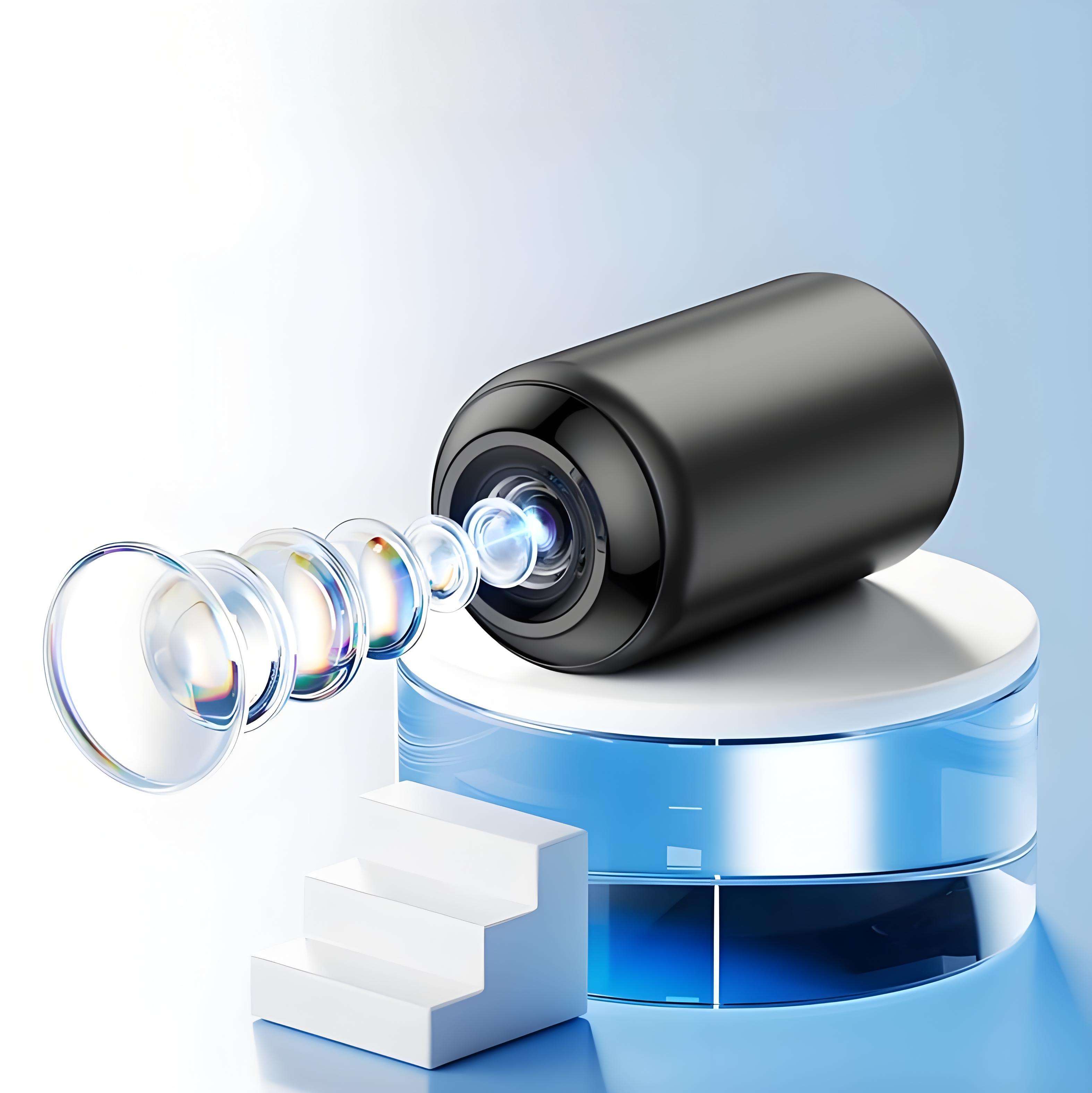
Ask at least 2–3 suppliers to provide working samples (or prototypes)
Compare image quality, stability, power consumption, firmware, calibration, module inconsistency
Test under real conditions (low light, temperature, motion)
Ask about durability, lifespan, and error rates
Only after samples satisfy your expectations should you proceed.
5. Perform Factory Audits / Due Diligence
Visit the factory (or hire a third-party audit) to confirm they have the actual production capacity and quality processes
Check equipment (clean rooms, optical alignment, calibration tools)
Review QC process, defect rates, inspection methods
Confirm labor practices, environmental compliance, IP protection practices
Ensure the ability to sign NDAs, confidentiality agreements, and handle IP protections
6. Negotiate Terms & Contracts
Finalize pricing (with a breakdown of components, testing, packaging, freight)
Agree on minimum order quantities (MOQs), lead times, and ramp schedules
Define quality thresholds, rework/rejection policies, penalty clauses
Secure intellectual property protections (designs, molds, firmware code)
Establish payment terms (e.g. deposit / balance, escrow / trade assurance)
Specify warranties, after-sales support, replacement, and logistics obligations
7. Maintain Ongoing Quality & Relationship
Implement regular quality checks (pre-shipment, in-process, batch testing)
Use third-party inspection services if you cannot physically inspect
Maintain open communication, share forecasts, and work on continuous improvements
Be cautious about overreliance—keep secondary backup manufacturers in case of issues
Tips & Common Pitfalls for Buyers
Avoid suppliers quoting unrealistically low prices — quality or compliance will likely suffer.
Check sample quality in detail (fabrication, imaging, firmware stability)
Protect your IP — register trademarks in China, use NDAs, own molds or ensure contract clauses
Understand regional clusters — some Chinese regions specialize in cameras/modules (e.g., Shenzhen, Dongguan)
Start with small orders and gradually scale
Ask for references from clients in your region or market
Be culturally sensitive and clear in communication — miscommunication is a frequent source of error
Summary & Final Thoughts
Sourcing mini cameras from China offers immense opportunity but requires diligence. The large players like Hikvision or InfiRay offer benchmarks, but many buyers will work with mid-tier, flexible OEM/ODM factories. The key lies in defining clear specs, building a meaningful shortlist, sampling, auditing, and protecting your designs.
With a structured sourcing approach, you can mitigate risks and secure a manufacturing partner that delivers on quality, cost, and timelines.
Nouvelles connexes
Priorités des consommateurs par rapport aux entreprises en matière de caméras de sécurité IA
Explorez les principales différences entre les priorités des consommateurs et celles des entreprises en matière de caméras de sécurité IA. Découvrez comment des fabricants comme Ringsee, originaires de Chine, offrent confidentialité, évolutivité et conformité pour répondre aux besoins des deux marchés.
Oct 21,2025
Les caméras de sentier influencent-elles le comportement de la faune ? Découvrez comment les animaux réagissent aux caméras et apprenez comment les caméras de sentier solaires sans éclairage de Ringsee minimisent les perturbations pour une observation éthique et précise.
Oct 16,2025
Un guide détaillé pour localiser et évaluer les fabricants de mini-caméras en Chine. Découvrez 5 fournisseurs chinois leaders, des conseils pour vous approvisionner, ainsi que des stratégies permettant de vérifier la qualité et la fiabilité.
Oct 15,2025
Comment les caméras de sentier solaires vous font gagner discrètement plus de temps sur le terrain
Échangez les fréquents voyages de remplacement de batteries contre une configuration de caméra de sentier alimentée par l'énergie solaire, et vous perturberez moins le gibier, perdrez moins de périodes clés pour prendre des photos à cause des piles déchargées, et gagnerez ainsi des heures (et des dollars) que vous pourrez réinvestir dans un meilleur repérage et plus de temps passé à chasser. L'argument en faveur du solaire n'est pas seulement technique – il est tactique.
Oct 14,2025
Explorez le marché en plein essor de la vidéosurveillance en Chine – porté par l'IA, le cloud et les villes intelligentes – dont la croissance devrait dépasser 10 milliards USD d'ici 2035. Découvrez les principales tendances et insights.
Oct 13,2025
Liens:Technologie d'alimentation d'une ceinture
Ajoutez: 14ème étage, bâtiment de Baoshan, secteur de Longhua, Shenzhen Chine.